
Cleveland Clinic: Every Life Deserves World Class Care
If your dose is different, do not change it unless your doctor tells you to do so. It is very important that you understand the rules of the Opioid Analgesic REMS program to prevent addiction, abuse, and misuse of oxycodone. This medicine should also come with a Medication Guide and a patient information leaflet. Certain medicines should not be used at or around the time of eating food or eating certain types of food since interactions may occur. Using alcohol or tobacco with certain medicines may also cause interactions to occur.
What is the main cause of overactive bladder?
Oxycodone extended-release capsules or tablets should only be used by patients who have already been taking opioid pain medicines. If you are uncertain whether or not you are opioid-tolerant, check with your doctor before using this medicine. Using amphetamine addiction treatment this medicine with any of the following medicines is usually not recommended, but may be required in some cases. Appropriate studies performed to date have not demonstrated geriatric-specific problems that would limit the usefulness of oxycodone in the elderly. Oxycodone extended-release capsules or tablets should not be used if you need pain medicine for just a short time, such as when recovering from surgery.
- Treat gastritis by avoiding alcohol, pain medications, and recreational drugs.
- Alcohol acts as a powerful diuretic, which means it makes you urinate more frequently than normal.
- Oxycodone acts on the central nervous system (CNS) to relieve pain.
- The combination creates a perfect storm where your kidneys simply cannot keep up with the demands placed on them.
- If you notice any other effects, check with your healthcare professional.
Food Safety
- Secondhand smoke raises blood pressure temporarily and increases risk for non-smokers.
- Healthcare providers only recommend it if other treatments don’t work.
Chronic alcohol consumption https://fetherston-arms.co.uk/non-profit-unrestricted-net-assets/ can eventually contribute to kidney disease by directly impairing kidney structure and function. Excessive drinking can worsen or hasten the progression of chronic kidney disease (CKD), especially when paired with other risk factors like high blood pressure or diabetes. Over time, the kidneys may lose their ability to filter waste effectively, leading to a dangerous accumulation of toxins in the body. In severe cases, end-stage renal disease (ESRD) can occur, requiring dialysis or a kidney transplant for survival.
Recognizing Symptoms That Accompany Kidney Pain
They explain what causes high blood pressure beyond lifestyle risks. Drinking more than 1–2 drinks daily raises blood pressure by about 3–7 mmHg on average. You should check your blood pressure regularly if you have risk factors like obesity, family history, or heavy alcohol use. Unfortunately, the answer to how can you cure a urinary tract infection over the counter? Isn’t a simple “yes.” While some over-the-counter (OTC) remedies can alleviate symptoms of a UTI, they cannot cure the infection itself.

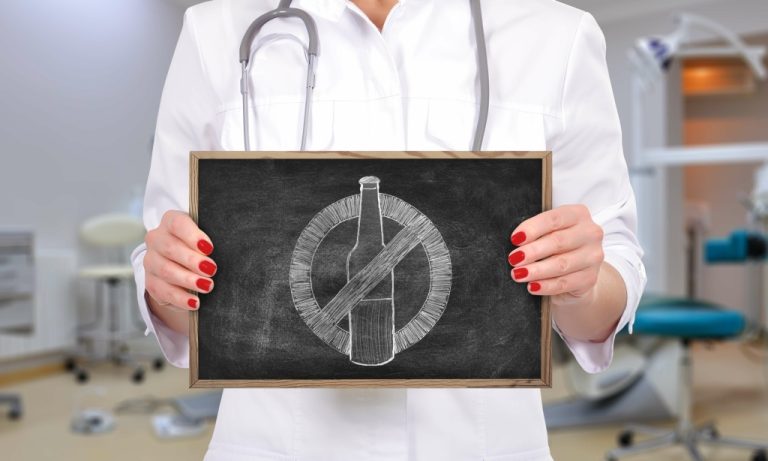
Electrolyte-containing beverages can also help maintain proper fluid balance. Simple strategies like alternating a glass of water with each alcoholic drink or setting a personal limit for the evening can keep you aware of your intake and hydration needs. Exceeding these limits can quickly overwork the kidneys. Binge drinking is especially dangerous, as it may lead to acute kidney injury requiring dialysis. Seeing a doctor as soon as possible helps ensure appropriate treatment and can reduce the risk of complications. Reducing alcohol intake can lessen the risk of alcohol-related kidney disease.

Chronic stress keeps cortisol high and increases inflammation. Early detection cuts complication risk and guides smarter care. We emphasize non-modifiable risks that raise hypertension odds. If you have unexplained hypertension, ask your doctor for endocrine tests and imaging. Parathyroid disease alters calcium and vessel function; parathyroid disease warrants specialist evaluation. Hypothyroidism increases vascular resistance kidney pain from drinking and fluid retention.